







Sunglasses used to have one job: protect your eyes and complete your outfit. Now, things are changing fast. AI-powered eyewear is showing up everywhere, from social feeds to morning commutes, and a lot of people are asking the same question: do regular sunglasses still matter?
The short answer is yes. But the real answer depends on how you live, what you expect from your eyewear, and whether you actually want tech built into your everyday accessories.
This AI Glasses vs. Regular Sunglasses guide breaks down the differences in a practical way. No hype. No tech jargon overload. Just a clear look at what each option does well, where they fall short, and whether owning both actually makes sense.
What are AI glasses, exactly?
Before getting into the full AI glasses comparison, it helps to define what AI eyewear actually is. AI glasses combine traditional eyewear with smart technology. Depending on the model, they can include:
-
Voice assistants
-
Built-in speakers
-
Cameras
-
Real-time translation
-
Notifications
-
Fitness tracking
-
Navigation prompts
-
Hands-free calling
-
AI-powered image recognition
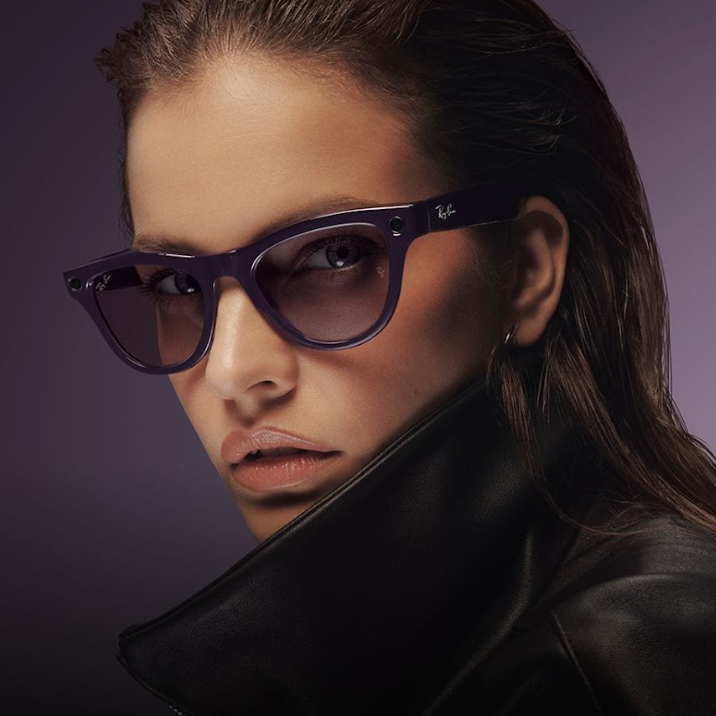
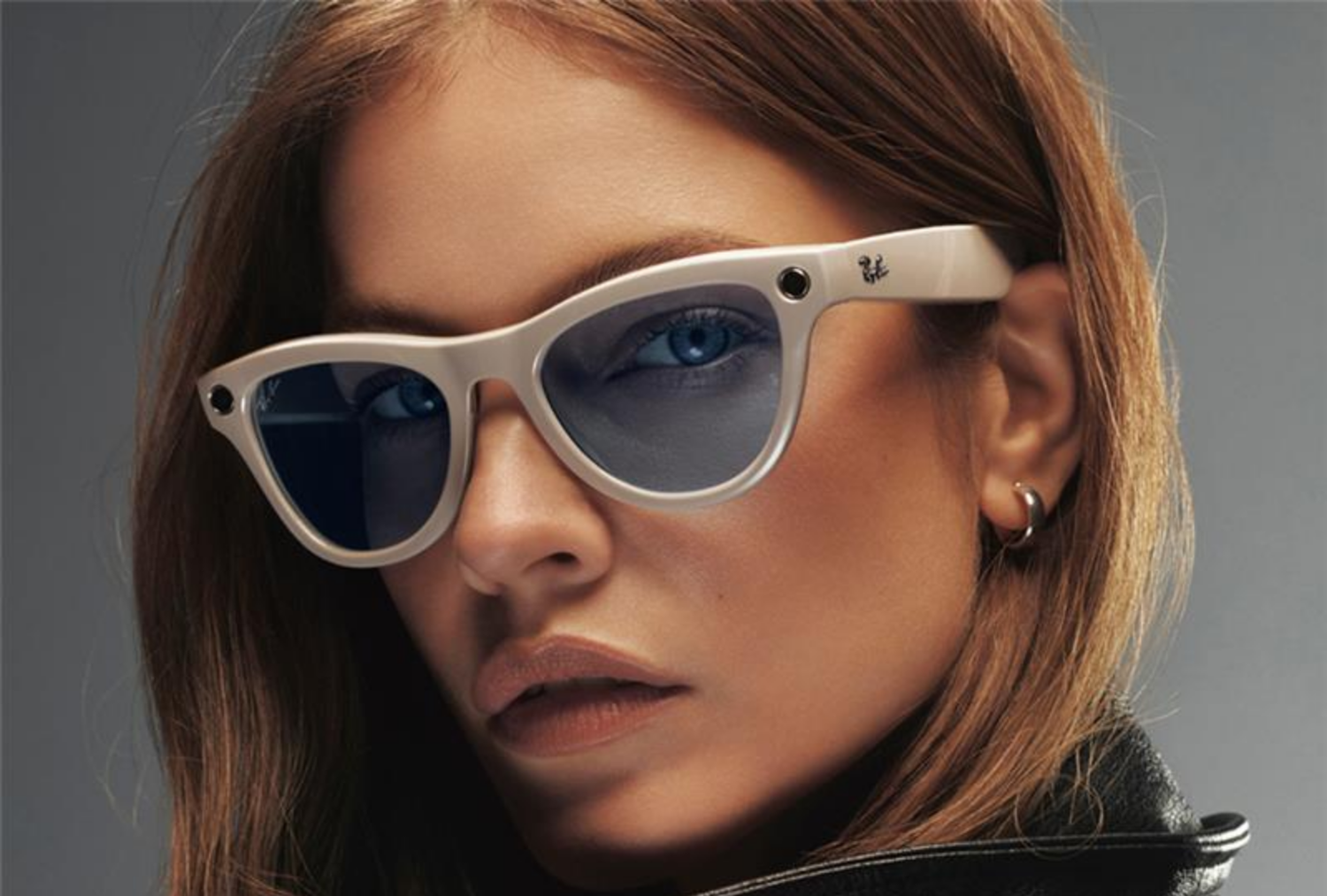
Some ai sunglasses look almost identical to classic frames. Others lean into a futuristic design. Either way, the goal is the same: make your glasses do more than just sit on your face.
What makes them interesting is that they blend fashion with utility. Instead of pulling out your phone every few minutes, smart glasses let you interact with information more naturally.
That sounds convenient. Sometimes it really is. But it also raises an important question.
Are regular sunglasses becoming outdated?
Not even close. Regular sunglasses still solve a very real everyday problem: protecting your eyes comfortably and stylishly without distractions.
A good pair of sunglasses gives you:
-
UV protection
-
Reduced glare
-
Eye comfort outdoors
-
Lightweight wear
-
Easy styling
-
Zero battery anxiety
And honestly, that simplicity matters more than people think. There’s something refreshing about putting on sunglasses that just work. No charging cable. No software update. No voice prompts talking in your ear while you’re trying to relax at the beach.
That’s why the AI Glasses vs. Regular Sunglasses debate isn’t really about replacement. It’s more about purpose.
The biggest differences between AI glasses and regular sunglasses
Let’s break it down in a way that actually helps when choosing.
Functionality
This is where ai glasses clearly stand out. Regular sunglasses focus on eye protection and style. AI eyewear adds interactive features that connect to your phone, apps, or digital assistant.
If you want hands-free convenience during workouts, travel, or commuting, ai sunglasses can make daily tasks easier.
Examples include:
-
Listening to music without earbuds
-
Taking calls while walking
-
Getting directions without checking your phone
-
Recording quick videos or photos
-
Using voice commands on the go
Regular sunglasses simply are not designed for that.
Comfort
Here’s where things get more balanced. Many regular sunglasses are lighter and simpler to wear for long periods. AI eyewear often includes internal hardware, which can add weight or slightly bulkier frames.
That doesn’t mean smart glasses are uncomfortable. A lot of newer models are surprisingly wearable. But if your priority is all-day comfort during travel, driving, or outdoor activities, traditional sunglasses still have an edge. Especially in hot weather.
Style flexibility
This one depends on personal taste. Classic sunglasses work with almost anything. They’re timeless, versatile, and easy to pair with different outfits.
AI glasses are improving fast in the style department, but some still look noticeably tech-focused. Others manage to blend in really well.
What this really means is that regular sunglasses remain the safer choice if fashion versatility is your top concern.
Why choose AI smart glasses over regular glasses?
This is one of the biggest questions shoppers ask right now, and the answer depends on lifestyle more than trends.
So, why choose AI smart glasses over regular glasses? Because they reduce friction in your daily routine.
If you constantly switch between your phone, headphones, navigation, and notifications, smart eyewear can simplify things. Instead of juggling devices, your glasses become part of the experience.
That’s especially useful for:
-
Travelers
-
Cyclists
-
Remote workers
-
Content creators
-
Busy commuters
-
People who multitask throughout the day
Imagine walking through a new city while getting audio directions directly through your frames. Or taking a quick call without digging through your bag for your phone. That convenience is the real appeal. But there’s another side to it.
Why some people still prefer regular sunglasses
Not everyone wants their accessories connected to technology all the time. Some people already feel overloaded by screens, notifications, and constant connectivity. For them, regular sunglasses offer a break from digital noise. And honestly, that’s valid.
Traditional sunglasses are:
-
Easier to maintain
-
Usually more affordable
-
Less distracting
-
More lightweight
-
More durable in certain conditions
There’s also less pressure. You never need to worry about battery life before heading outside. Sometimes simple wins.
AI sunglasses for everyday use: are they practical?
This is where the conversation gets more interesting. A few years ago, smart eyewear felt experimental. Today, ai sunglasses are becoming genuinely practical for daily life.
Battery life has improved. Audio quality is better. Designs are less awkward. Features are more useful instead of gimmicky.
Still, practicality depends on expectations.
AI glasses are great if you:
-
Spend lots of time moving around
-
Use voice assistants regularly
-
Listen to podcasts or music outdoors
-
Want fewer devices in your pockets
-
Like integrating tech into your routine
But they may not be worth it if you:
-
Rarely use wearable tech
-
Prefer minimal accessories
-
Mainly need sun protection
-
Don’t care about connected features
That’s why there’s no universal winner in the ai glasses comparison debate. The best option depends on how you actually live day to day.
Do AI glasses replace headphones?
Sometimes, yes. Many ai glasses include open-ear audio systems built into the frame arms. That means you can hear music, podcasts, or calls while still staying aware of your surroundings.
For walking, commuting, or casual use, that can feel much more comfortable than earbuds. But for gym sessions, noise isolation, or high-quality audio? Traditional headphones still perform better.
This is another good example of how AI eyewear complements existing products rather than fully replacing them.
What about eye protection?
One misconception is that smart glasses sacrifice lens quality for technology. That’s not necessarily true.
Many ai sunglasses still offer:
-
UV400 protection
-
Polarized lenses
-
Anti-glare coatings
-
Blue light filtering
-
Prescription compatibility
Still, lens quality varies by brand. Some prioritize technology over optical performance. That’s why it’s important to look beyond the tech features and pay attention to everyday wearability too. At the end of the day, sunglasses should still protect your eyes well.
The style factor matters more than people admit
A lot of tech products fail because they forget one thing: people want to feel good wearing them. Eyewear sits directly on your face. That makes style impossible to ignore.
The good news is that newer ai glasses are finally starting to understand this. Brands are moving away from bulky futuristic designs and creating frames that actually fit into everyday fashion.
Still, regular sunglasses continue to dominate when it comes to:
-
Variety
-
Color options
-
Lightweight materials
-
Trend flexibility
-
Timeless appeal
You can own one pair of classic sunglasses for years without them looking outdated. That’s harder to guarantee with fast-moving tech products.
So, do you actually need both?
For a lot of people, yes. Here’s the thing: AI Glasses vs. Regular Sunglasses is not really a one-or-the-other decision anymore. They solve different problems.
AI glasses are useful for:
-
Connected convenience
-
Audio on the go
-
Navigation
-
Multitasking
-
Smart features
Regular sunglasses are better for:
-
Pure comfort
-
Simplicity
-
Fashion versatility
-
Beach days
-
Travel backup
-
Long outdoor wear
Owning both gives you flexibility.
You might use ai sunglasses during your weekday commute, while switching to classic frames on vacation or weekends. One pair keeps you connected. The other helps you disconnect.
That balance actually makes a lot of sense today.
How to choose the right pair for your lifestyle
If you’re trying to decide where to start, focus less on trends and more on habits.
Ask yourself:
-
Do you enjoy wearable tech?
-
Are you constantly using headphones?
-
Do you want fewer devices in your pockets?
-
Will you realistically use AI features weekly?
-
Do you prioritize comfort over functionality?
-
Are you buying sunglasses mainly for fashion?
Your answers matter more than marketing claims. If practicality and connectivity matter most, ai glasses could genuinely improve your routine. If comfort, style, and simplicity matter more, regular sunglasses remain hard to beat. And if you like both worlds, there’s nothing wrong with having one pair for each situation.