


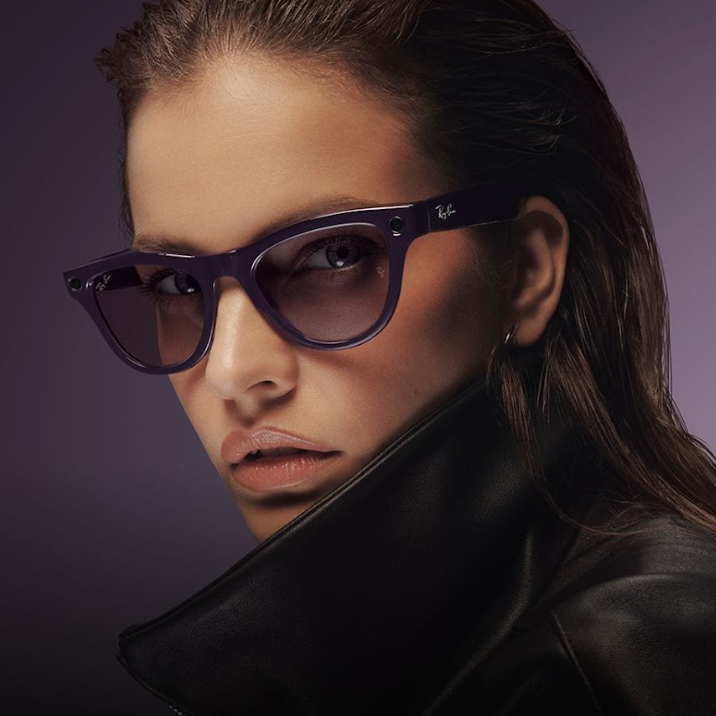

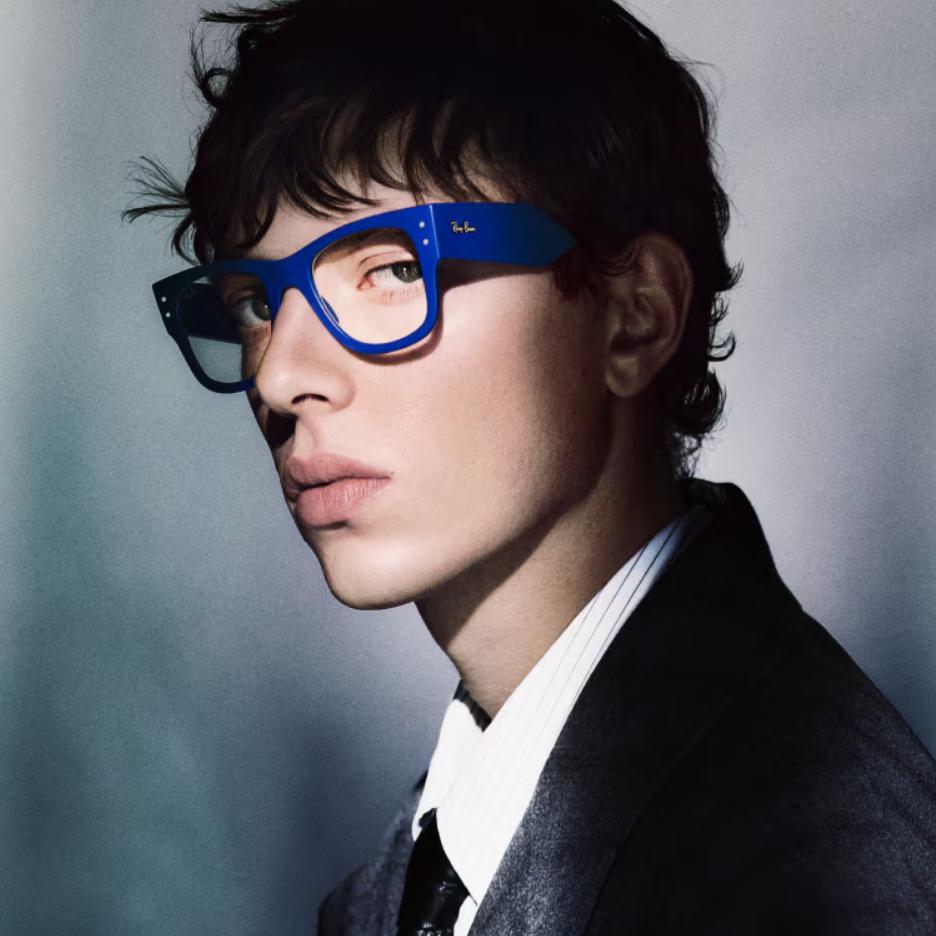




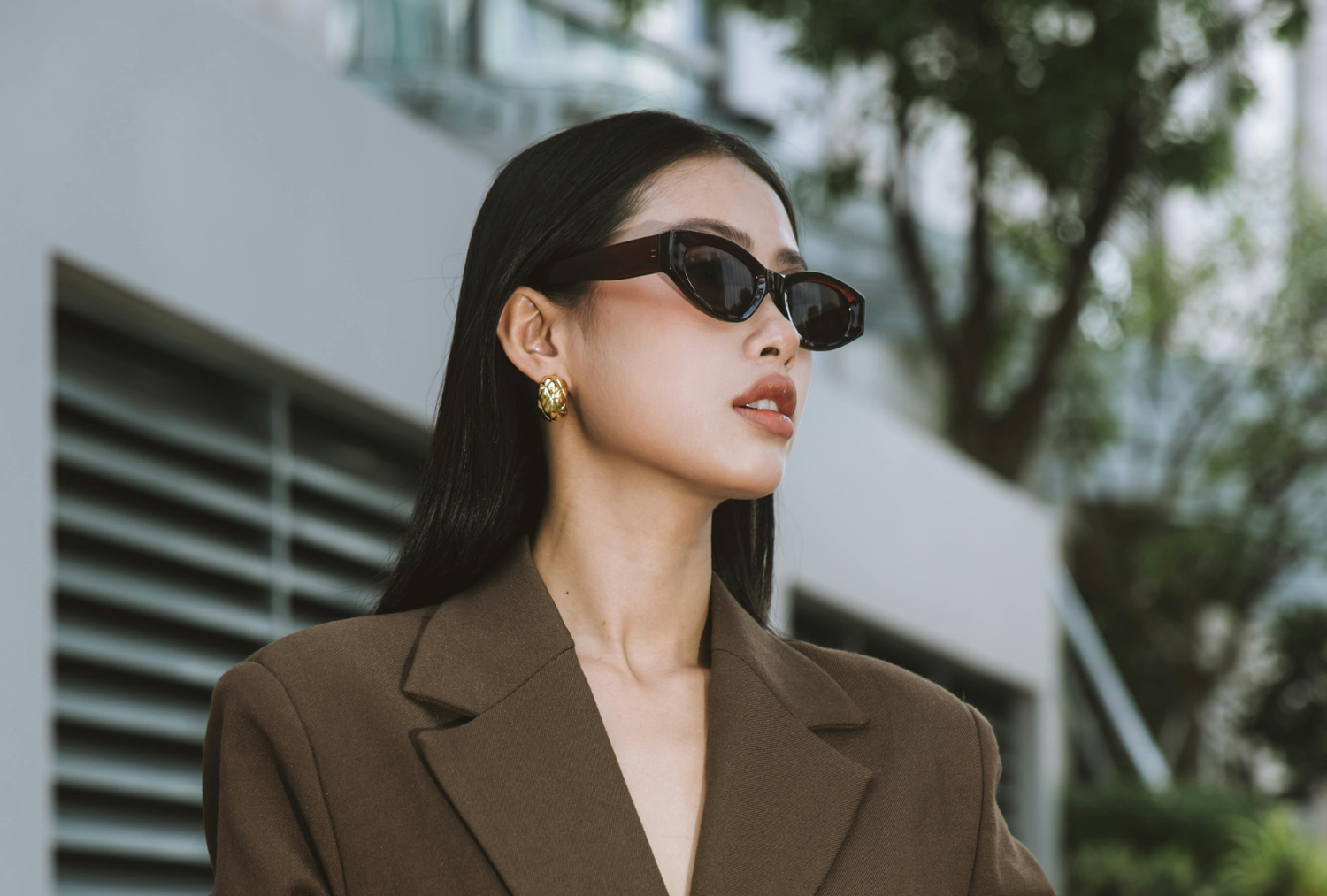
If you’ve ever wondered whether you really need both sunglasses and blue light glasses, you’re not alone. A lot of people assume they do the same thing because both are worn on your face and both claim to protect your eyes. But here’s the thing: they solve completely different problems.
Understanding the difference between sunglasses vs blue light glasses can save you money, improve your comfort, and help you choose the right pair for your lifestyle instead of buying something that sounds trendy but doesn’t actually fit your needs.
One helps shield your eyes from intense outdoor light and UV exposure. The other is designed to make screen-heavy days easier on your eyes indoors. They’re not interchangeable, and wearing the wrong one in the wrong setting won’t give you the protection or comfort you’re looking for.
What sunglasses actually do
Sunglasses are built for outdoor protection. Their main job is to reduce glare, block ultraviolet rays, and help your eyes stay comfortable in bright environments.
Good sunglasses can help with:
-
UV protection
-
Reducing squinting
-
Lowering glare from roads, water, and reflective surfaces
-
Improving visibility on sunny days
-
Making outdoor activities more comfortable
That’s why sunglasses matter whether you’re driving, walking around the city, relaxing at the beach, or spending hours at an outdoor festival.
UV exposure adds up over time. Even on cloudy days, your eyes still absorb ultraviolet radiation. That’s why quality sunglasses are more than just a fashion accessory. And yes, style still matters. The best pairs combine protection with designs you’ll actually want to wear every day.
What blue light glasses actually do
Blue light glasses are made for indoor use, especially around screens. Phones, laptops, tablets, gaming monitors, and TVs all emit blue light. While blue light itself isn’t automatically dangerous in normal amounts, many people experience eye strain, headaches, or visual fatigue after staring at screens for hours.
That’s where blue light lenses come in. When people ask why they wear blue light glasses, the answer is usually pretty simple: comfort. Blue light glasses may help reduce:
-
Digital eye strain
-
Screen-related fatigue
-
Headaches during long work sessions
-
Dry-eye discomfort from prolonged focus
-
Sleep disruption when using screens late at night
What this really means is that they’re designed for modern daily habits. Most people spend more time looking at screens than ever before, whether for work, school, gaming, or scrolling social media.
Blue light glasses are especially popular among:
-
Remote workers
-
Students
-
Gamers
-
Office employees
-
Content creators
-
Frequent travelers
Unlike sunglasses, they’re usually clear or lightly tinted because they’re meant to be worn indoors.
Sunglasses vs blue light glasses: the biggest difference
The easiest way to think about it is this:
-
Sunglasses protect your eyes from sunlight outdoors
-
Blue light glasses help reduce screen discomfort indoors
That’s the core difference between sunglasses vs blue light glasses. Sunglasses focus on:
-
UV rays
-
Brightness
-
Outdoor glare
Blue light glasses focus on:
-
Screen exposure
-
Visual fatigue
-
Indoor digital comfort
One is for sunny environments. The other is for digital environments. Trying to use one instead of the other usually doesn’t work well.
Can blue light glasses be used as sunglasses?
This is one of the most common questions people ask: can blue light glasses be used as sunglasses? In most cases, no.
Standard blue light glasses are not designed to protect your eyes outdoors in bright sunlight. They typically don’t have:
-
Dark tinting
-
UV protection
-
Glare reduction
-
Polarization
If you wear clear blue light lenses outside on a bright afternoon, your eyes will still struggle with sunlight and glare.
Some brands offer hybrid lenses that combine blue light filtering with UV protection or photochromic technology, but traditional blue light glasses are not a replacement for sunglasses.
So if you spend time both indoors and outdoors during the day, having both options makes the most sense.
Are blue lens sunglasses good?
A lot of people love blue-tinted sunglasses because they look modern and stand out from traditional gray or black lenses. But people also ask: are blue lens sunglasses good?
The answer depends on the lens quality.
Blue-tinted sunglasses can absolutely work well if they include proper UV protection. Lens color alone doesn’t determine protection quality.
Some benefits of blue-tinted lenses include:
-
Reduced glare in bright conditions
-
Improved visual comfort near water or snow
-
Stylish appearance
-
Enhanced contrast in certain environments
That said, always check for UV400 protection rather than choosing sunglasses based only on color. Fashion matters, but eye protection matters more.
Polarized sunglasses vs blue light glasses
Now let’s talk about another comparison people search for: polarized sunglasses vs blue light glasses.
These are even more different from each other.
Polarized sunglasses contain a special filter that cuts down harsh reflected glare. Think about sunlight bouncing off:
-
Roads
-
Water
-
Car hoods
-
Windows
-
Sand
That glare can make it harder to see and can tire your eyes quickly.
Polarized sunglasses are especially useful for:
-
Driving
-
Fishing
-
Boating
-
Beach days
-
Outdoor sports
-
Long sunny commutes
Blue light glasses, on the other hand, are focused on digital screens and indoor comfort. So comparing polarized sunglasses vs blue light glasses is really about comparing outdoor glare protection with indoor screen comfort. They serve different purposes entirely.
Is blue light worth it on glasses?
A fair question people ask is: is blue light worth it on glasses? For many people, yes. But it depends on how you spend your day.
If you work on a computer for eight hours straight, spend evenings gaming, or scroll your phone late into the night, blue light glasses may help reduce discomfort and fatigue.
Some people notice:
-
Less eye tiredness
-
Fewer headaches
-
Better comfort during long screen sessions
-
Easier nighttime screen use
Others notice only a small difference. Here’s the honest answer: blue light glasses are not magic. They won’t suddenly fix poor sleep habits or eliminate all digital strain. But they can make heavy screen use more comfortable, especially when combined with healthy habits like:
-
Taking screen breaks
-
Lowering brightness
-
Using night mode
-
Blinking more often
-
Maintaining good posture
If screens are a major part of your routine, blue light filtering can be a practical everyday feature rather than just a trend.
When you should wear sunglasses
You should wear sunglasses anytime you’re outdoors during daylight, especially in:
-
Bright sun
-
Snowy conditions
-
At the beach
-
While driving
-
During outdoor sports
-
At festivals or concerts
A lot of people only think about sunglasses during summer, but UV exposure happens year-round. And if you’re spending long hours outside at concerts or festivals, comfort matters just as much as style. Nobody wants to squint through an entire set because their eyes are overloaded with glare.
The best everyday sunglasses combine:
-
UV protection
-
Comfortable fit
-
Lightweight frames
-
Durable lenses
-
Versatile style
That combination makes them easy to wear consistently instead of leaving them forgotten in a bag or glove compartment.
When you should wear blue light glasses
Blue light glasses make the most sense during:
-
Office work
-
Study sessions
-
Gaming
-
Editing videos or photos
-
Long Zoom meetings
-
Evening screen time
If your eyes feel dry, strained, or tired after staring at a screen for hours, blue light lenses may help make those sessions easier.
Some people also prefer wearing them in the evening because bright screens at night can feel intense, especially in dark rooms.
Again, this isn’t about replacing healthy habits. It’s about adding another layer of comfort to screen-heavy routines.
Do you need both?
For many people, yes. Think about the average modern day:
-
Morning commute in sunlight
-
Hours on a laptop
-
Looking at a phone throughout the day
-
Outdoor errands
-
Evening streaming or gaming
That’s a mix of outdoor light exposure and indoor screen exposure. One pair of glasses usually can’t handle both situations perfectly. Having:
-
sunglasses for outdoor protection
-
blue light glasses for screen comfort
simply gives you the right tool for the right environment.
Style matters too
Let’s be real: if glasses don’t look good, people stop wearing them. That’s why modern eyewear has shifted toward designs that combine practicality with everyday style.
You no longer have to choose between:
-
protective lenses
-
comfortable frames
-
trendy shapes
-
wearable designs
Today’s best eyewear options fit naturally into daily life instead of feeling overly technical or clinical. That’s especially true for younger consumers who want accessories that work for:
-
work
-
travel
-
festivals
-
commuting
-
social plans
-
casual outfits
The goal isn’t to own glasses you only wear once in a while. The goal is to find pairs you genuinely enjoy using every day.