





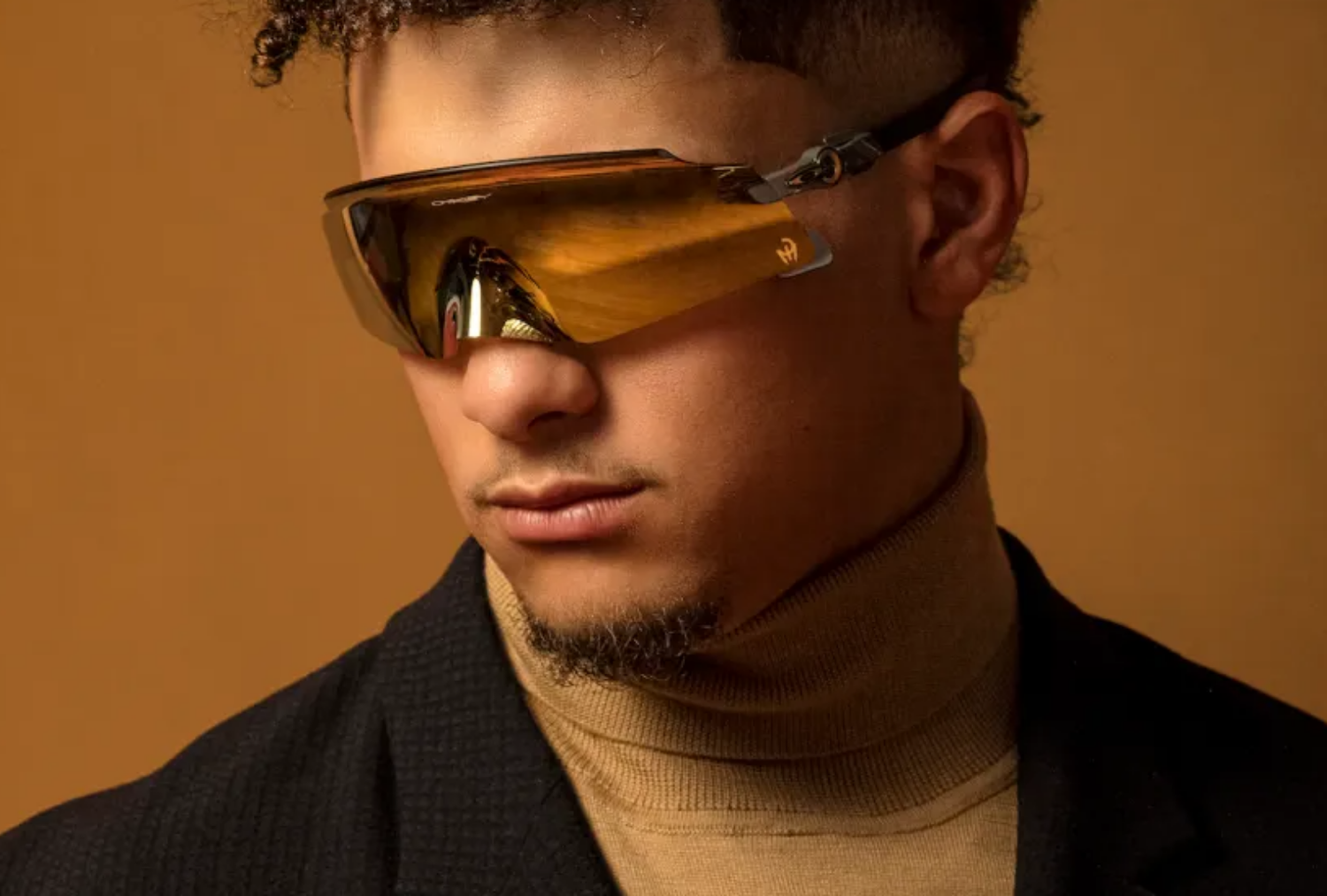
If you’ve ever grabbed your everyday shades before heading out for a bike ride, a beach run, or a casual game of volleyball, you’ve probably wondered: can you use regular sunglasses for sports? The short answer is yes, sometimes. The longer, more useful answer is that it depends on what you’re doing, how intense it is, and what you expect from your sunglasses.
Here’s the thing. Not every outdoor plan calls for pro level gear. Most of us live somewhere between daily life and active life. We walk, commute, travel, hang out outside, maybe play sports on weekends. That’s exactly where Shades Eyeconic sits. Style that fits your everyday look, with enough functionality to keep up with your routine.
Let’s break it down in a clear, practical way so you know when your regular sunglasses are enough, when sunglasses for sports make more sense, and what features actually matter for an active lifestyle.
Can regular sunglasses be used for casual sports or outdoor activities?
Yes. For casual sports and light outdoor activities, regular sunglasses can work just fine.
Think about situations like:
-
Walking your dog on a sunny afternoon
-
Playing frisbee at the park
-
Going for a relaxed bike ride around the neighborhood
-
Hanging out at the beach
-
Hiking easy trails with friends
- Watching or playing low intensity outdoor games
In these cases, regular sunglasses for outdoor activities can give you solid UV protection, basic glare reduction, and style that fits your everyday outfit. If your frames sit comfortably on your face and don’t slide off every two minutes, you’re probably good.
What this really means is that you don’t need a separate pair for every single outdoor plan. If your lifestyle mixes daily routines with light activity, everyday sunglasses can cover a lot of ground.
Where things change is when movement gets faster, sweat becomes a factor, or impact risk goes up. That’s where the line between regular sunglasses and true sunglasses for sports becomes obvious.
Sports sunglasses vs regular sunglasses: what’s the real difference?
At first glance, sunglasses are sunglasses. They block the sun, they look good, and they protect your eyes. But when you compare sports sunglasses vs regular sunglasses, the differences show up fast once you start moving.
Here are the key points that separate them.
1. Fit and stability
Regular sunglasses are made for daily wear. They’re built to look good while you walk, sit, drive, or hang out. Sports sunglasses are built to stay put when you move.
Sports models usually have:
-
Wraparound shapes for better grip
-
Rubber nose pads and temple tips
- A snug fit that doesn’t bounce
With regular sunglasses, movement can cause slipping, especially if you sweat. That’s annoying during a run and risky on a bike or while skating.
2. Protection and coverage
Sports sunglasses often offer more coverage around the sides of your eyes. This blocks sunlight, wind, dust, and insects. Regular frames usually leave small gaps, which is fine for daily use but less ideal when you’re moving fast.
For outdoor activities like cycling or trail running, that extra coverage matters more than people think.
3. Lens performance
This is where polarized sunglasses for sports come into play. Many sports sunglasses come with lenses designed to reduce glare from water, pavement, snow, and sand. That means clearer vision and less eye strain.
Regular sunglasses may be polarized too, but not all are. If your everyday pair has polarized lenses, you’re already getting one of the biggest sports sunglasses benefits.
4. Durability and safety
Sports sunglasses are usually made from impact resistant materials. If they fall, bend, or take a hit, they’re less likely to shatter. Regular sunglasses may break more easily, depending on the frame and lens quality.
This doesn’t mean your everyday shades are fragile, but they’re not built with falls and collisions in mind.
5. Weight and comfort over time
When you wear sunglasses for long periods while moving, weight matters. Sports sunglasses are often lighter and designed to reduce pressure points. Regular sunglasses can feel heavier after a long hike or run.
When should you consider sports sunglasses over everyday sunglasses?
Here’s a simple rule. If your activity involves speed, sweat, impact, or long exposure, sports sunglasses are the better choice.
You should seriously consider sunglasses for sports if you:
-
Run regularly
-
Cycle on roads or trails
-
Play beach sports like volleyball or soccer
-
Hike long distances
-
Do water sports like kayaking or paddleboarding
-
Ski or snowboard
- Train outdoors several times a week
In these situations, the benefits of sports sunglasses go beyond comfort. They improve safety, visibility, and performance. When sunglasses slide, fog up, or fall off, they become a distraction. That’s the last thing you want when you’re moving fast or focusing on your surroundings.
For a more mixed routine, where you go from city life to outdoor activities in the same day, you can look for versatile designs. Some modern frames balance everyday style with features inspired by sports sunglasses. That’s a sweet spot for people with an active lifestyle who don’t want to switch eyewear all the time.
What features matter most for an active lifestyle?
If you’re choosing sunglasses for active lifestyle use, focus less on hype and more on practical features that actually help you move comfortably and safely.
Here’s what’s worth paying attention to.
UV protection
This one is non-negotiable. Always look for 100 percent UV protection. Whether they’re regular sunglasses or the best sunglasses for sports, your eyes need real protection from UVA and UVB rays.
Polarized lenses
Polarized sunglasses for sports reduce glare from reflective surfaces like water, pavement, and sand. This improves clarity and reduces eye fatigue. It’s one of the most noticeable upgrades you can feel the moment you step outside.
If you spend time near water, drive a lot in bright sun, or play sports outdoors, polarization is a big plus.
Secure fit
For movement, fit matters more than looks. Frames should sit snugly without squeezing your head. Nose pads that grip slightly help keep sunglasses in place when you sweat. This is a big difference between fashion first frames and sunglasses for sports.
Lightweight feel
Heavy frames feel fine for short walks. Over time, during active use, they can cause pressure points on your nose and ears. Lightweight materials make long sessions more comfortable.
Coverage
More coverage means less sun hitting your eyes from the sides. This is especially useful for cycling, running, and hiking. Wraparound designs are common in sports sunglasses, but some everyday frames offer decent coverage too.
Durability
If you’re active, things fall. Sunglasses drop on concrete, get tossed into bags, or knocked off tables. Durable frames and lenses save you from constant replacements.
Can one pair work for both everyday life and sports?
For many people, yes. Especially if your activities are moderate and your style leans toward practical, modern designs.
This is where Shades Eyeconic fits naturally. The idea isn’t to force you into extreme gear for simple outdoor plans. It’s about having sunglasses that look good with your daily outfits and can handle real life movement.
If your routine looks like this:
-
Walking around the city
-
Driving
-
Meeting friends outdoors
-
Occasional hikes or bike rides
-
Beach days
- Weekend activities
Then a well chosen everyday pair with polarized lenses, good UV protection, and a stable fit can cover most of your needs. These sunglasses for outdoor activities bridge the gap between style and function.
If your routine looks like this:
-
Running several times a week
-
Long cycling sessions
-
High impact sports
- Outdoor training in different conditions
Then a dedicated sports pair will make your life easier and your vision more reliable.
Real life scenarios: what should you wear?
Let’s get specific. Here’s how sports sunglasses vs regular sunglasses play out in everyday situations.
Beach day with friends
Regular sunglasses with UV protection and polarized lenses are usually enough. You want comfort, glare reduction, and style.
Casual bike ride
Regular sunglasses can work if they fit well and don’t slip. If you ride often or at higher speeds, sports sunglasses become a smarter choice.
Running
This is where regular sunglasses often fail. Slipping, bouncing, and fogging become annoying fast. Sports sunglasses win here.
Hiking
Short, easy hikes can work with regular sunglasses. Longer hikes in changing light and terrain benefit from sports focused features.
Driving and walking around town
Regular sunglasses are perfect here. You don’t need full sports gear for daily movement.