








If you have ever stood in front of a wall of sunglasses wondering which is the best option between polarized vs non polarized sunglasses, you are not alone. The labels sound technical. The prices can jump. And the benefits are not always explained in a way that feels useful for real life.
Here’s the thing. Both options protect your eyes from the sun. But they do it in different ways, and those differences matter depending on how you move through your day. Whether you are driving to work, spending weekends outdoors, or just looking for a pair that fits your everyday style, choosing the right lenses can make your life easier and your vision more comfortable.
Let’s break it down in simple terms, without the hype.
What Is the Difference Between Polarized and Non Polarized Sunglasses?
The core difference in polarized vs non polarized sunglasses is how they handle glare.
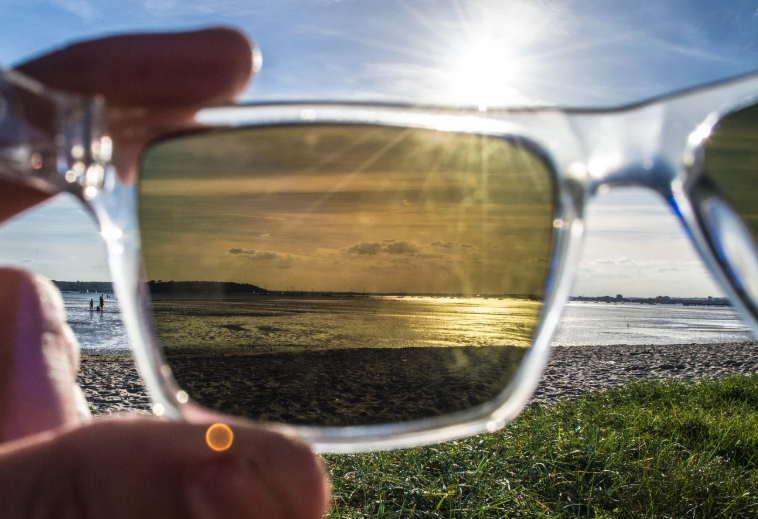
Glare happens when sunlight reflects off flat, shiny surfaces like water, snow, glass, or asphalt. That reflected light hits your eyes in a harsh way. It can be blinding, tiring, and sometimes even dangerous, especially when you are driving.
Polarized sunglasses
Polarized sunglasses include a special filter inside the lenses. This filter blocks horizontal light waves, which are the main cause of glare. What this really means is:
-
Less blinding reflection from roads, water, and other surfaces
-
Clearer vision in bright conditions
-
More comfortable eyes after long exposure to sunlight
- Better contrast and sharper details
These polarized lenses benefits are not about making things darker. They are about making things clearer and calmer for your eyes.
Non polarized sunglasses
Non polarized sunglasses are the classic version. They reduce brightness by tinting the lenses, but they do not filter out glare. They still protect your eyes from UV rays, which is the most important baseline feature any sunglasses should have.
Non polarized lenses are:
-
Simpler in construction
-
Usually more affordable
-
Great for general sun protection
- Often easier to style with fashion focused frames
So the real question in polarized vs non polarized sunglasses is not which is better in general. It is which one fits how you actually live.
How Do Polarized Lenses Improve Vision in Everyday Situations?
If you spend time outdoors, you will notice the difference quickly.
Sunglasses for driving
Driving is one of the biggest reasons people choose polarized sunglasses. Sun glare off the road, car hoods, and windshields can be intense, especially in the morning and late afternoon. Polarized sunglasses cut that glare down fast.
The result:
-
You see the road more clearly
-
Colors look more natural
-
Your eyes feel less strained on long drives
- You react faster to what is happening around you
If you drive often, polarized sunglasses for driving are not just a nice extra. They are a real comfort and safety upgrade.
Near water or reflective surfaces
Water reflects sunlight like a mirror. Beaches, pools, lakes, even wet pavement after rain can be tough on your eyes. Polarized lenses benefits show up clearly here.
With polarized sunglasses, you get:
-
Less blinding reflection
-
Better visibility of what is actually in front of you
- More relaxed vision during long outdoor days
If you enjoy being near water, fishing, boating, or just hanging out by the pool, polarized lenses can change how comfortable that time feels.
Outdoor activities
Hiking, cycling, walking in the city on sunny days, or spending hours outside can be tiring on your eyes. The best sunglasses for outdoor use are the ones that reduce glare and keep your vision relaxed.
Polarized sunglasses help you stay focused and comfortable when the sun is strong and the environment is bright. You notice details instead of squinting through reflections.
When Should You Choose Polarized Over Non Polarized Sunglasses?
Choosing polarized vs non polarized sunglasses comes down to how and where you use them.
Go polarized if you:
-
Drive often, especially in bright conditions
-
Spend time near water or reflective surfaces
-
Do outdoor sports or activities
-
Get headaches or eye fatigue from glare
- Want clearer vision in strong sunlight
For many people, polarized sunglasses become their go-to everyday pair once they experience the difference. The comfort is real, and your eyes will thank you after long sunny days.
Are Non Polarized Sunglasses Better for Certain Activities or Styles?
Yes, non polarized sunglasses still make sense in many situations. They are not a downgrade. They are just different.
Everyday casual wear
If you mainly wear sunglasses for walking around the city, grabbing coffee, or adding style to your outfit, non polarized sunglasses are more than enough. They protect your eyes from UV rays and reduce brightness. For short periods in the sun, glare is not always a big issue.
Non polarized sunglasses often:
-
Come in more fashion focused designs
-
Feel lighter on the face
-
Cost less, which makes it easier to own more than one pair
- Fit well into daily outfits without feeling too sporty
Screens and digital displays
Polarized lenses can sometimes make phone screens, car dashboards, or digital displays harder to see at certain angles. If you spend a lot of time checking your phone or reading screens outdoors, non polarized lenses might feel more practical.
This is one of those small details people only notice after wearing polarized sunglasses for a while.
Style-first choices
Some frames and lens colors are easier to find in non polarized versions. If your priority is matching your sunglasses to your outfit or mood, non polarized lenses give you more flexibility.
The best non polarized sunglasses are the ones that combine UV protection with a shape and color that fit your personal style. You do not have to sacrifice looks for basic sun protection.
Polarized vs Non Polarized Sunglasses for Different Needs
Here is a simple way to think about it:
-
For driving and long outdoor time, polarized sunglasses make a real difference
-
For casual city use and style focused looks, non polarized sunglasses work great
-
For water, snow, and reflective environments, polarized lenses are more comfortable
- For quick errands and fashion moments, non polarized lenses are often enough
You do not have to pick one forever. Many people own both and switch depending on the day.
Comfort, Protection, and Everyday Use
No matter which side of polarized vs non polarized sunglasses you land on, a few things matter more than anything else.
UV protection is non negotiable
Always choose sunglasses that block 100 percent of UV rays. This protects your eyes from long term damage. Polarization does not automatically mean UV protection, so you still need to check for that feature.
Fit and comfort
If sunglasses pinch your nose, slide down your face, or feel heavy, you will not wear them. Comfort matters more than most people think. A good fit makes sunglasses part of your routine instead of something you forget in your bag.
Versatility
The best sunglasses for outdoor use or daily life are the ones that fit your routine. Think about where you go, how long you stay outside, and what annoys you most about bright sunlight. That is your answer.
Style Meets Function: Making Sunglasses Part of Your Look
Sunglasses are not just protection. They are part of how you show up. Shades Eyeconic sits right in that space where style meets real life. You do not need luxury prices to look good. You just need smart choices.
Whether you lean toward polarized sunglasses for practical reasons or prefer non polarized sunglasses for everyday style, the goal is the same. You want something that feels good on your face and fits your life.
Here are a few simple tips:
-
If you are always outdoors, lean into polarized lenses
-
If you switch outfits often, consider a stylish non polarized pair for daily wear
-
If you travel a lot, having both options gives you flexibility
- If driving is part of your daily routine, polarized sunglasses are a smart upgrade
Common Questions People Ask Before Choosing
Do polarized sunglasses make everything darker?
Not really. They reduce glare, not just brightness. Many people feel vision is clearer, not darker.
Are non polarized lenses bad for your eyes?
No. As long as they offer UV protection, non polarized lenses protect your eyes from harmful rays. They just do not reduce glare.
Are polarized sunglasses worth the extra cost?
If you deal with glare often, yes. If not, non polarized sunglasses can be perfectly fine for daily use.
Can I use polarized sunglasses for everything?
You can, but keep in mind screens may look strange at certain angles. Some people prefer non polarized lenses for workdays when they are constantly checking their phone.