

When people think about sunglasses, they usually picture summer beaches and bright city days. But here’s the thing: winter landscapes can be even harsher on your eyes than summer streets.
Snow reflects light. Mountains push you closer to the sun. Clear winter skies can feel blinding, even when the temperature is below zero. That’s why choosing the right sunglasses for extreme light matters more than most people realize.
This guide breaks down what to look for, why winter sun protection is essential, and how you can find mountain sunglasses that actually fit your daily life. No luxury drama. Just smart, wearable choices that protect your eyes and still look good when you stop for coffee after a day outdoors.
What makes sunglasses suitable for everyday wear?
Let’s start with the basics. Sunglasses for everyday wear should work when you’re walking through the city, driving, heading to the park, or traveling. That same mindset should apply when you’re looking for sunglasses for extreme light. You want something that protects you in tough conditions but doesn’t feel out of place once you’re back in town.
Good everyday sunglasses usually share a few key traits:
-
Comfortable frames you can wear for hours without pressure points
-
Lenses that reduce glare and protect against UV
-
A shape that fits your face and stays in place when you move
- A design that feels natural with your daily outfits
What this really means is that the best sunglasses for mountains do not have to look like technical gear. They can still feel casual, modern, and wearable. The goal is to find sunglasses for extreme conditions that don’t turn into something you only use once a year. The more natural they feel in your routine, the more likely you are to actually wear them when your eyes need protection the most.
Why is sun protection essential in snowy and mountainous environments?
Snow changes everything. It reflects sunlight straight into your eyes. In some conditions, snow can reflect up to 80 percent of UV rays. That means your eyes are getting hit from above and below at the same time. Add altitude to the mix, and UV exposure increases even more. The higher you go, the thinner the atmosphere becomes, and the less protection it offers.
This is why sun protection in snow is not optional. It is basic eye care.
Without proper protection, winter sun sunglasses are not just about comfort. They help prevent:
-
Eye strain and fatigue
-
Temporary blindness from glare
-
Long-term damage from UV exposure
- Headaches caused by squinting all day
A lot of people underestimate winter sun protection because the air feels cold and the light feels softer. But your eyes do not care about temperature. They react to brightness and UV. If you spend time in the mountains without proper protection, your eyes pay the price.
How do extreme light conditions affect your eyes in winter landscapes?
Extreme light is not just about brightness. It is about contrast, reflection, and long exposure. Snow creates a white, reflective surface that amplifies glare. Clear winter skies create sharp, direct light. Even cloudy days can produce strong reflections off snow and ice.
Over time, this kind of exposure can lead to:
-
Dry, irritated eyes
-
Increased sensitivity to light
-
Reduced visual clarity
- Slower recovery after long days outdoors
This is where sunglasses for extreme light come in. They reduce glare, filter harmful rays, and help your eyes relax. You see better, feel less tired, and stay more focused. If you have ever finished a day in the mountains with aching eyes and a dull headache, you already know the feeling. Proper sunglasses change that experience in a real, noticeable way.
What features should sunglasses have for winter sun and mountain travel?
Not all sunglasses are built for winter sun and mountain use. If you are serious about protecting your eyes in extreme conditions, here are the features that matter most.
Full UV protection
This is non-negotiable. Look for lenses that block 100 percent of UVA and UVB rays. Without this, everything else is secondary.
Polarized sunglasses
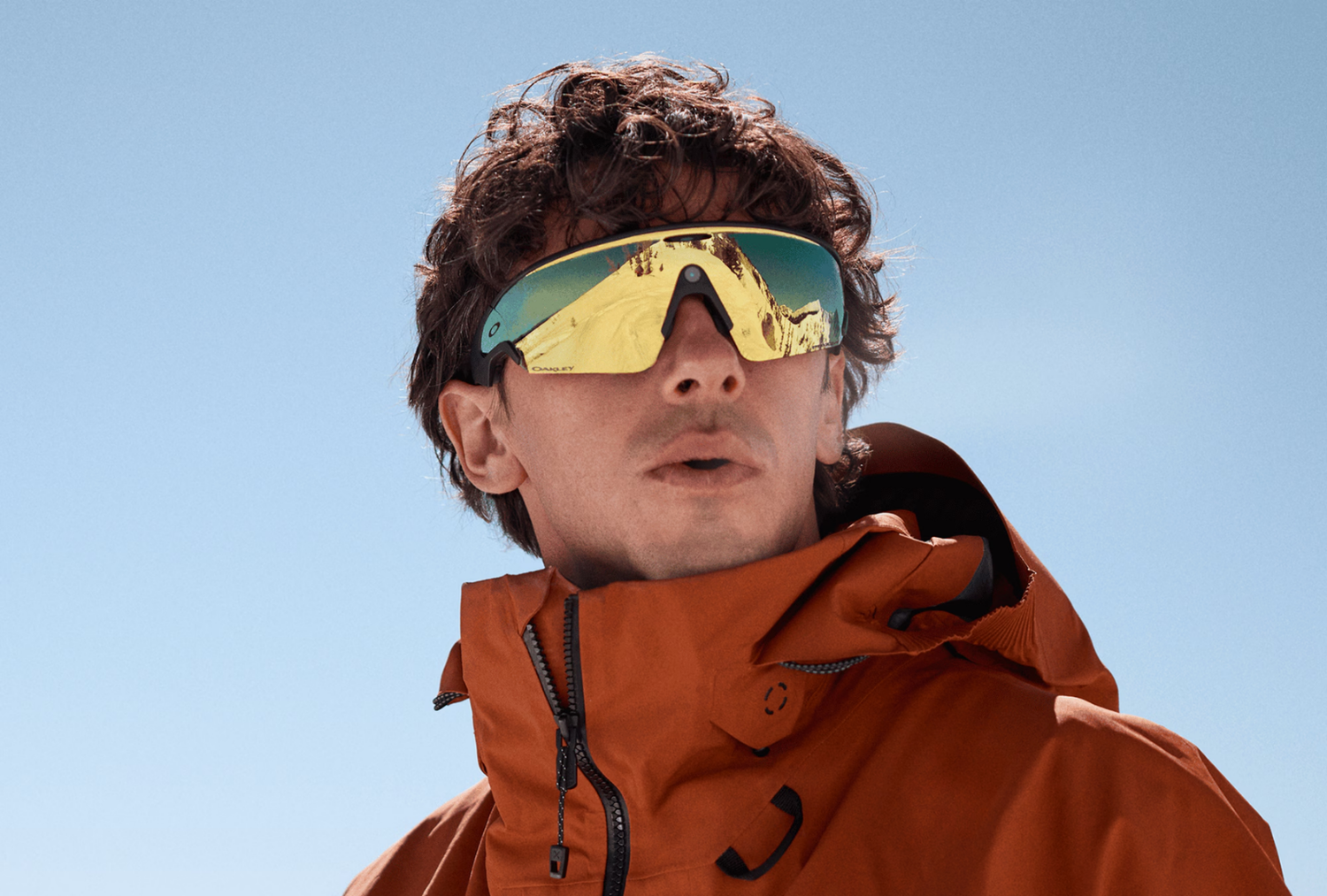
Polarized sunglasses cut down harsh glare, especially reflections off snow and ice. This improves clarity and reduces eye strain. Polarized sunglasses are one of the biggest upgrades you can make for mountain environments. Once you try them on snow, it is hard to go back.
Lens tint suited for bright conditions
Darker tints help manage intense light. Some people prefer neutral gray for natural color perception, while others like brown or green for added contrast. There is no single perfect tint. The best choice is the one that feels comfortable for your eyes in bright winter light.
Secure fit
When you move in cold weather, your sunglasses should stay in place. Look for frames that sit well on your nose and do not slide when you walk, bend, or turn your head. This is especially important if you are hiking, sightseeing in mountain towns, or dealing with wind.
Coverage that blocks side glare
Light does not only come from the front in snowy areas. It bounces around. Sunglasses with good coverage help block stray light from the sides, reducing glare and improving comfort.
Comfort for long wear
Cold weather can make frames feel stiff or uncomfortable. Lightweight materials and smooth contact points make a big difference when you wear your sunglasses for hours.
These features are what separate basic fashion shades from true sunglasses for extreme conditions. The good news is that you can find models that hit all these points without looking like specialized sports gear.
Winter sun sunglasses that fit your real life
Here’s the thing. Most people are not climbing peaks every day. They are traveling, walking through snowy cities, driving mountain roads, or spending time outdoors with friends. That is why winter sun sunglasses should feel versatile.
You want sunglasses that:
-
Look good with a winter jacket and scarf
-
Work for driving in bright snow conditions
-
Feel natural when you step into a café or shop
- Are easy to pack and carry on trips
Mountain sunglasses do not have to scream adventure gear. They can look clean, modern, and easy to wear. What matters is that they protect your eyes while still fitting into your everyday style. That balance is what makes sunglasses for extreme light actually usable in real life.
Best sunglasses for mountains without overthinking it
Choosing the best sunglasses for mountains does not mean chasing the most extreme or expensive option. It means finding something that matches how you actually spend your time.
Ask yourself a few simple questions:
-
Will I wear these outside of mountain trips?
-
Do they feel comfortable after an hour or two?
-
Can I see clearly in bright snow without squinting?
- Do they match my style enough that I will keep them indoors briefly if needed?
The best choice is the one you will actually wear. Sunglasses that stay in your bag do not protect your eyes. Sunglasses that feel good on your face do.
How sunglasses can combine protection and style in winter destinations
Winter destinations have their own vibe. Snowy streets, mountain villages, and winter resorts all come with a certain look. Sunglasses can be part of that look without feeling forced.
Protection and style can work together when:
-
The frame shape complements your face
-
The color fits your winter wardrobe
-
The lenses reduce glare without darkening everything too much
- The design feels current but not trendy in a way that will age fast
What this really means is that you do not have to choose between looking good and protecting your eyes. Sunglasses for extreme light can be practical and stylish at the same time. When they fit your personal style, you are more likely to wear them consistently. That is how protection becomes part of your daily routine, not just something you think about on trips.
Practical tips for winter sun protection
Sunglasses do a lot of the work, but a few habits make winter sun protection even more effective.
-
Put your sunglasses on early. Do not wait until your eyes start to hurt.
-
Keep them accessible in your jacket pocket or bag.
-
Clean your lenses often. Snow glare shows every smudge.
-
Pair sunglasses with a hat or beanie when the sun is low. This reduces overhead glare.
- Use polarized sunglasses when you expect long exposure to snow and ice.
These small habits make a big difference in how your eyes feel at the end of the day.
Sunglasses for extreme light in everyday moments
Not every extreme light moment happens on a mountain trail. Think about driving through snowy roads, walking near frozen lakes, or spending time outdoors in winter cities. These situations create intense glare too.
This is where sunglasses for extreme light become part of everyday life. You put them on for a quick walk. You wear them while driving. You keep them on during a bright winter afternoon. Over time, you stop thinking of them as special gear and start seeing them as basic eye protection.
That shift matters. When protection feels normal, your eyes stay healthier without extra effort.
Choosing winter sun sunglasses without stress
There is a lot of noise around eyewear. Trends change. Styles come and go. But winter sun protection stays the same. Your eyes need shielding from glare and UV, especially in snow and mountains.
Focus on:
-
Real comfort
-
Real protection
- Real wearability
If a pair of sunglasses helps you see better in bright snow, feels good on your face, and fits your style enough to wear every day, you are on the right track. You do not need perfection. You need something that works for your life.