



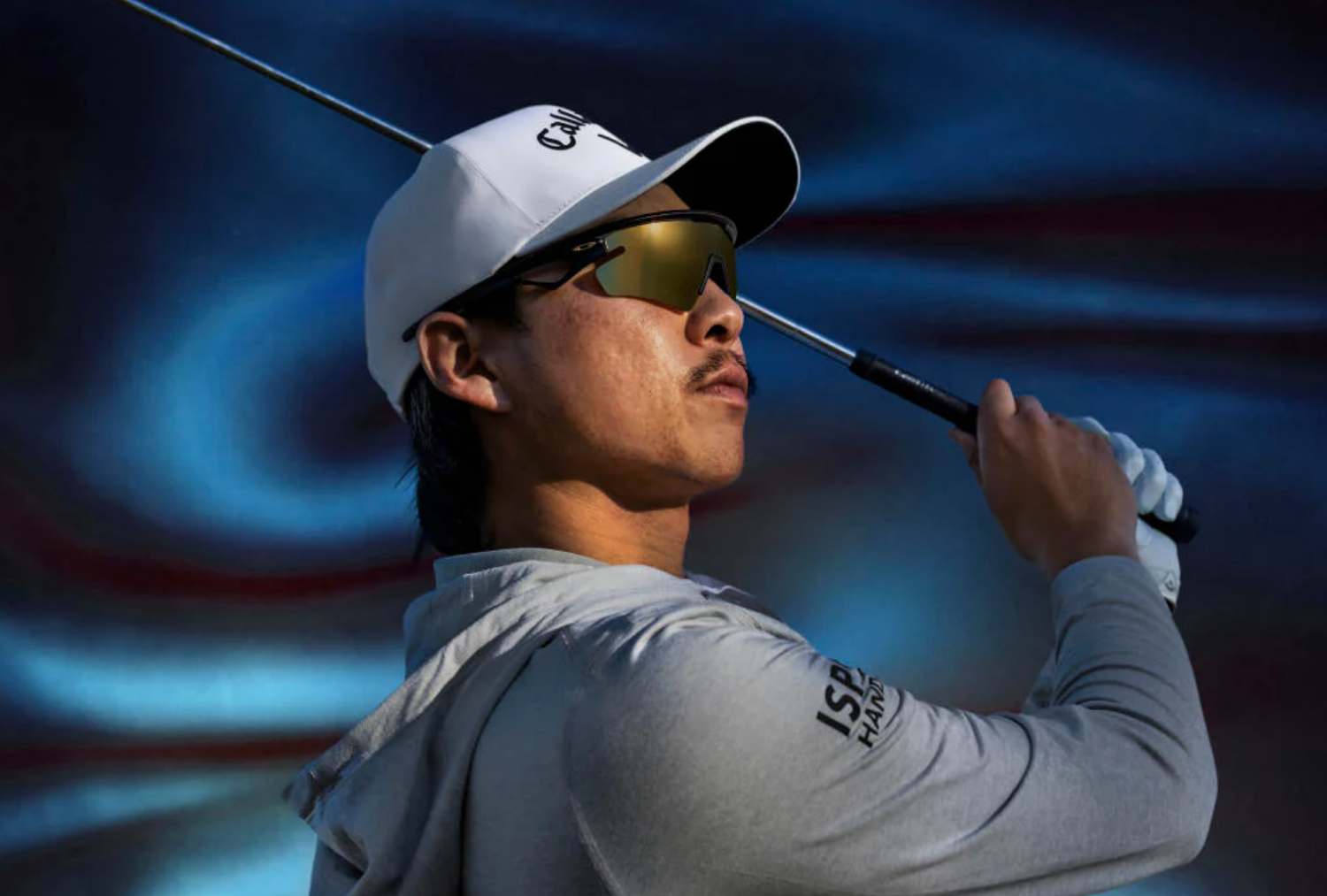
If you’ve ever lost sight of a perfectly struck ball mid-flight, you already know the problem. Golf isn’t just about technique. It’s also about visibility. And that’s where the right golf sunglasses come into play.
Here’s the thing. Not all sunglasses are built for the course. The lens tint you choose can change how you see the grass, the sky, the ball, and even subtle slopes on the green. That means your eyewear isn’t just a style choice. It’s part of your game.
Why regular sunglasses don’t cut it on the course
You might think any pair of shades will do. They won’t.
Standard sunglasses are designed to block sunlight. That’s useful, but golf demands more. You need clarity, contrast, and depth perception across changing light conditions. One hole might be wide open under bright sun, while the next is shaded by trees.
Basic lenses often:
-
Flatten contrast, making it harder to read greens
-
Darken everything too much, especially in early morning or late afternoon rounds
-
Fail to reduce glare from sand traps or water hazards
What this really means is simple: if you’re serious about improving your game, investing in proper sunglasses for golf is a smart move.
The real impact of lens tint on your performance
Lens tint isn’t just about color preference. Each tint filters light differently, and that directly affects what you see on the course.
The right tin can:
-
Make the ball stand out against the sky
-
Enhance the contrast between fairway, rough, and green
-
Reduce glare without killing brightness
-
Help you read subtle breaks on the putting surface
The wrong tint does the opposite. It can wash out details or make everything look too dark.
So let’s go deeper into what actually works.

A practical sunglass lens tint guide for golfers
If you’re looking for a solid sunglass lens tint guide, start here. These are the most common tints used in golfer sunglasses, and how they perform on the course.
Brown and amber lenses
These are often considered the best lens tint for golf, and for good reason.
They enhance contrast and depth perception, which helps you:
-
Track the ball more easily against blue skies
-
Distinguish between different shades of green
-
Read the terrain more accurately
They also work well in variable light, which makes them a go-to choice for many players.
Rose and pink lenses
This might sound surprising, but rose-tinted lenses are excellent for golf.
They increase contrast while maintaining brightness, making them ideal for:
-
Cloudy days
-
Early morning rounds
-
Courses with lots of shade
They also reduce eye fatigue over long rounds.
Gray lenses
Gray lenses are more neutral. They reduce brightness without altering colors much.
That sounds good, but here’s the catch:
-
They don’t enhance contrast as much as brown or rose
-
They’re better for general use than for performance
Still, they can work if you play mostly in bright, open conditions.
Green lenses
Green lenses sit somewhere in the middle.
They:
-
Reduce glare
-
Maintain decent contrast
-
Offer a more natural view
They’re versatile, but not always the top pick if your goal is maximum performance.
Polarized vs non-polarized: what golfers should know
Polarized lenses are often marketed as a must-have. And yes, they’re great for reducing glare. But in golf, it’s not always that simple.
Polarization helps with:
-
Glare from water hazards
-
Bright reflections on sunny days
But some golfers feel it can slightly affect depth perception, especially when reading greens.
So what should you choose?
-
If you play on very sunny courses with lots of glare, polarized lenses can help
-
If you prioritize reading subtle breaks on the green, you might prefer non-polarized options
It often comes down to personal preference.
Choosing the best golf sunglasses for your playing style
There’s no one-size-fits-all answer. The best golf sunglasses depend on how and where you play.
Here are a few practical scenarios.
If you play in bright, open courses
Go for brown or gray lenses with good UV protection. Polarization can be a bonus here.
If you play in mixed light conditions
Rose or amber lenses will give you better adaptability. They handle both sun and shade well.
If you often play early or late rounds
Avoid very dark lenses. You want something that enhances contrast without reducing too much light.
If you struggle to track the ball
Focus on contrast-enhancing tints like brown or rose. That’s where you’ll see the biggest improvement.

Golf sunglasses for men and women: what actually matters
You’ll see categories like golf sunglasses for men and golf sunglasses for women, but the truth is simpler.
Performance comes down to fit, lens quality, and comfort. Not gender.
That said, there are some practical differences to consider:
-
Face shape and size
-
Frame weight
-
Style preferences
The key is finding something that stays secure during your swing and feels comfortable over 18 holes.
Comfort matters more than you think
You can have the best lenses in the world, but if your sunglasses slide down your nose or pinch your temples, they’ll distract you.
Look for:
-
Lightweight frames
-
Non-slip nose pads
-
A secure fit that doesn’t move during your swing
Comfort isn’t a bonus. It 's essential.
Style meets function: why you don’t have to choose
This is where brands like Shades Eyeconic stand out.
You don’t need to pick between performance and everyday style. The best golf sunglasses today are designed to work on the course and still look great off it.
That means you can:
-
Wear them for a full round
-
Keep them on at the clubhouse
-
Use them in your daily routine
It’s a practical choice. And it makes your investment go further.
Common mistakes golfers make when choosing sunglasses
Let’s keep this real. A lot of players get this wrong.
Here are the most common mistakes:
-
Choosing lenses that are too dark
-
Ignoring lens tint and focusing only on frame style
-
Assuming polarized is always better
-
Buying cheap lenses that distort vision
-
Not testing fit and comfort
Avoid these, and you’re already ahead of most players.
How better sunglasses can actually improve your score
This might sound like a stretch, but it’s not.
When you see better, you play better.
With the right golfer sunglasses, you can:
-
Track your ball more consistently
-
Read greens with more confidence
-
Reduce eye strain over long rounds
-
Stay focused, especially in bright conditions
What this really means is fewer mistakes caused by poor visibility. And over 18 holes, that adds up.